A Real Situation from a Client Last Week
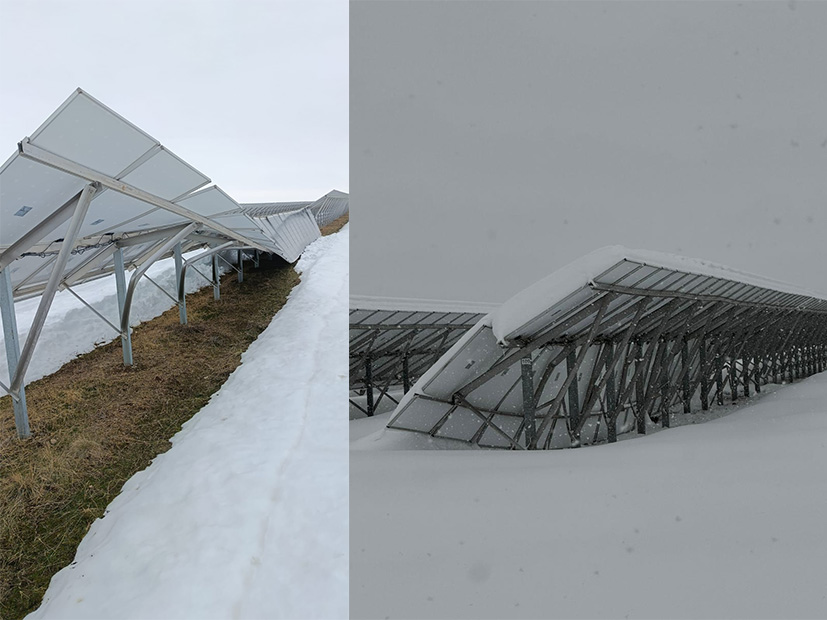
Last week, a client from Kazakhstan contacted us with a serious issue. One of their previously (by their previous supplier) installed solar projects experienced structural damage during winter. After a period of heavy snowfall, several mounting structures were bent and partially collapsed under the snow pressure. The client shared photos of the damaged installation and asked if we could assist in analyzing the cause and providing a solution. After reviewing the situation with our engineering team, the conclusion became quite clear. The system had not been designed for the actual snow load conditions of the project location. As a result, the structure's load capacity was significantly lower than the real environmental load.
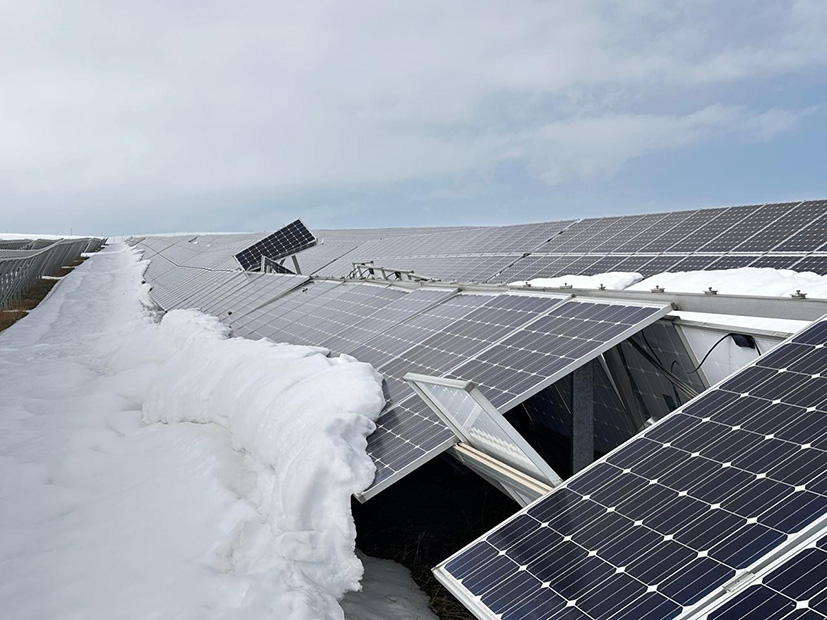
What Went Wrong in the Design?
From an engineering perspective, the problem usually comes from several common design mistakes:
1. Underestimated local snow load
In many northern regions, the design snow load can reach 1.5–2.5 kN/m² or even higher, depending on elevation and local climate.
If the design assumptions are too conservative, the structure may face loads far beyond its capacity.
2. Excessive support columns / rail span.
Excessively wider spans of support columns/guide rails reduce material usage but significantly increase deflection risk under heavy snow.
Once rails/beams/supports begin to bend, the load distribution becomes uneven and structural failure can follow.
3. Insufficient structural stiffness
Even if the material strength seems sufficient, structural stiffness plays a critical role in preventing deformation.
This is often overlooked when cost reduction becomes the priority.
Why Snow Load Can Be More Critical Than Wind Load
Many Supplier first ask “What is the maximum wind speed?”
But in many northern regions/Asia such as Kazakhstan (Central Asia, Northern Europe, Canada, Northern United States, snow load can actually be the governing factor in structural design. Unlike wind load, which is dynamic and temporary, snow load creates continuous vertical pressure that can last for days or weeks. This sustained load is often what leads to beam bending and mounting system deformation.
Key Engineering Lesson
Solar mounting systems should always be treated as structural engineering components, not simple accessories.A reliable design must carefully consider:
1. Local wind and snow load data
2. Support / Rail span and structural stiffness
3. Safety factors in structural calculation
4. Connection strength and material performance
Ignoring any of these factors can significantly increase the risk of structural failure.
In Corigy Solar, we have always believed that performing the preliminary work thoroughly demonstrates our responsibility to our clients.When we got a enquirer, the first thing we do is to ask the project information (including max wind speed and snow load) from customer. Then our engineer team will do some structure calculation to ensure the materiel we provide can withstand the max wind speed and snow load.
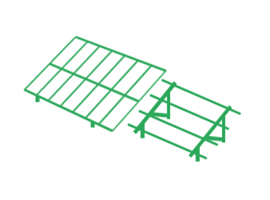
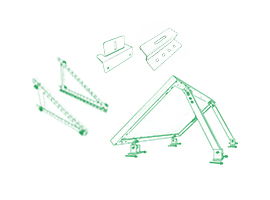
Corigy Solar Ground Mounting Racking System Structure is widely applied for landfll, open space or sloping terrain, etc, Diferent kinds of material can be offered for any needs, such as galvanized steel, anodized aluminum and ZAM materials.
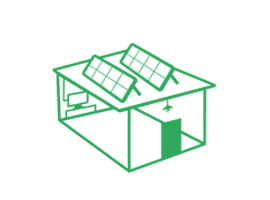
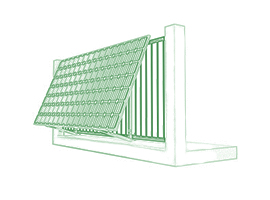
Flat roof solar mounting systems offer robust support and easy installation for solar panels on flat roofs. These systems ensure maximum energy capture, durability, and cost-efficiency, making them ideal for residential and commercial properties. Corigy flat roof solar panel mounting system, such as ballast mount, east-west ballast mount, etc. Contact us to learn more!
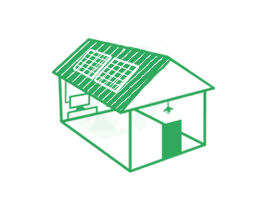
Install solar panel on the metal roof by standing seam, klip-lok, L foot or other clamps.
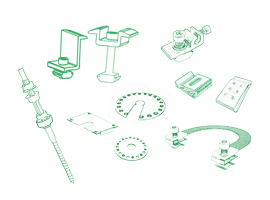
Solar mounting accessories such as end/mid clamp, cable clip, grounding items, etc.

CORIGY SOLAR, 15 years experience of research, manufacture and sale of solar energy system. We are always trying to provide the best support for you, including fast response, cost, QC, design, distributor support.
Phone
0086-592-6883200Location
No.893,Haicang Avenue,Haicang District,Xiamen City,China.

 IPv6 network supported
 English
 español
 한국의
한국의