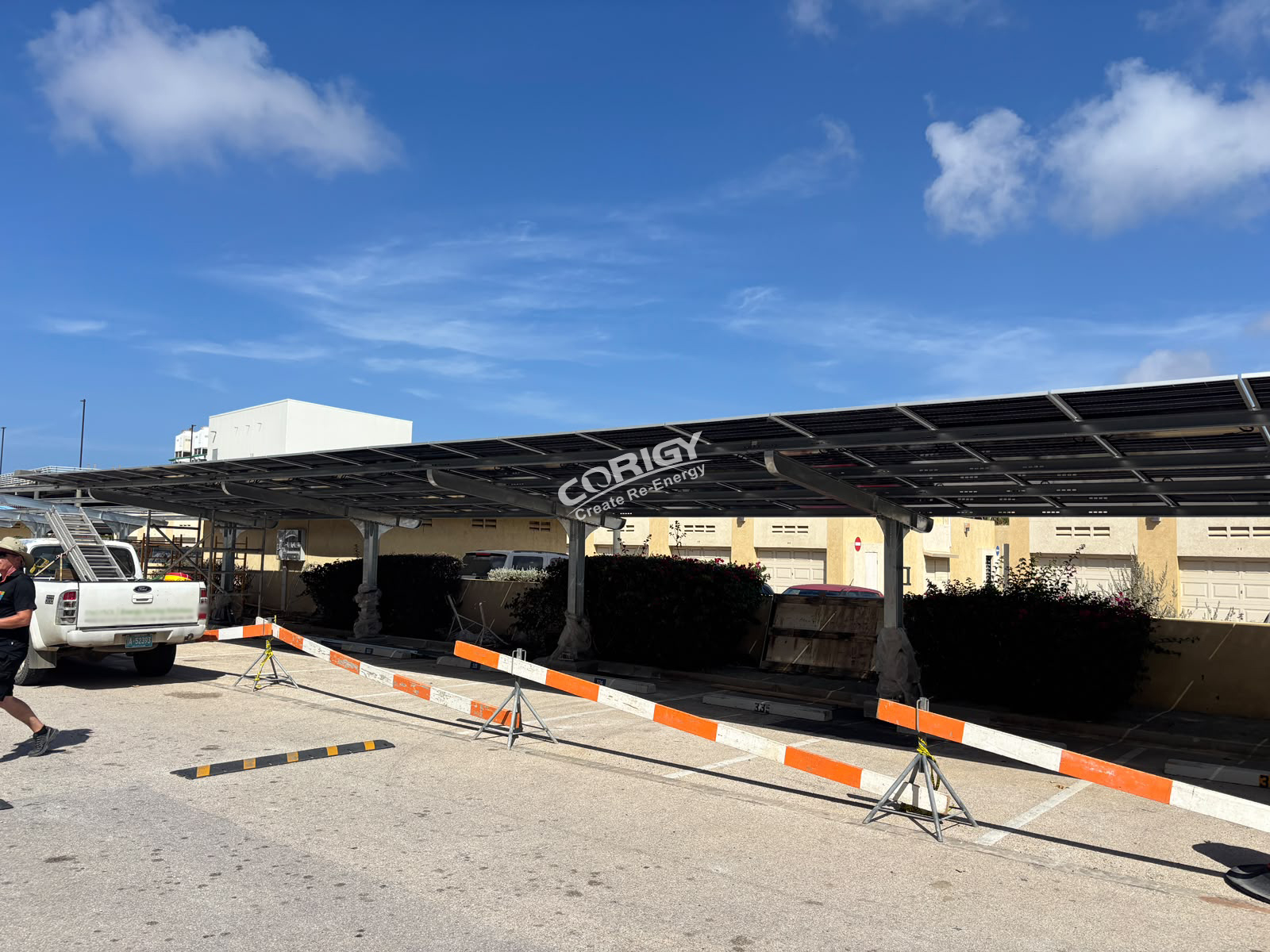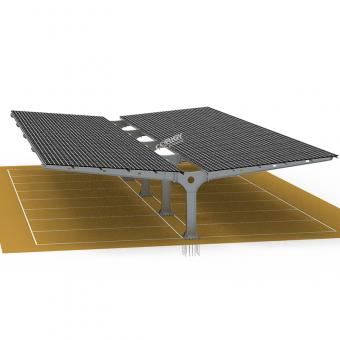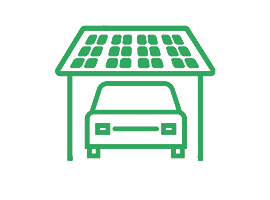
Regarding the Y-shaped carport structure, last month, an American client asked me an interesting question: “Grace, do you have any recommendations for material that could be installed underneath the solar panels? Maybe galvanized steel sheets or something similar above the purlins? We’re concerned that hurricane-force winds could create enough uplift to lift the panels from underneath.” I am very grateful to this client for asking this question, and I also greatly appreciate his insightful thinking about the project and the potential impact of the super typhoon. The above question wasn’t simply about adding more material. The customer was thinking about what actually happens to the structure when extreme wind gets underneath the PV modules. So I discussed it with our engineering team. For high-wind and hurricane-prone projects, uplift is always something we need to consider from the beginning. One relatively straightforward approach is to increase the number of support points. For example: Typical design: 2 rails + 4 clamps per module Higher-wind design: 3 rails + 6 clamps per module By adding more support points, the uplift load can be distributed across more connections. And of course, it’s not only about the clamps. The rails, beams, posts, connections and foundations all need to work together as a complete load path, transferring the wind forces safely into the ground. But then comes the interesting question: What if the wind conditions are really severe? Should we simply add a solid sheet underneath the modules? There are several possibilities. 1. Solid galvanized steel sheet This could provide additional protection underneath the modules and may help reduce direct airflow beneath the panels. It can also provide some rain and debris protection and create a cleaner appearance underneath a carport. But there is a catch. Once the underside is largely enclosed, the PV system and the steel sheet can start behaving more like a continuous roof surface. That does not necessarily mean the total uplift on the entire structure will decrease. And, of course, additional steel means additional weight, supporting structure, installation work and cost. 2. Perforated steel sheet or expanded metal This is another possibility. The openings allow some air to pass through, rather than creating a completely enclosed cavity. But the opening ratio matters. Too little open area, and the material may behave more like a solid surface from an aerodynamic point of view. Too much open area, and its effect on airflow may become limited. It also won't provide the same rain protection as a solid sheet. 3. Simply increase the number of rails and clamps For example: 3 rails + 6 clamps → 4 rails + 8 clamps This is perhaps the most straightforward approach when the main objective is to improve the connection between the modules and the mounting structure. More support points can help distribute the uplift force across more rails and connections. From both an engineering and cos...
Read MoreOn the premise that the solar mounting solution and factory machining accuracy comply with specifications, with no drawing or production errors, misaligned component holes during on-site installation stem entirely from 4 stages after factory delivery: transportation & storage, foundation construction, on-site installation, and environmental thermal stress. The specific causes are as follows: 1. Component Deformation during Transportation and Storage Holes are qualified at factory, yet components deform and holes become misaligned upon arrival. Support components finished in the factory have precise hole dimensions. However, long-span steel structures such as main beams, purlins and rails possess limited stiffness. They are prone to plastic deformation under external forces, resulting in relative displacement of bolt holes. 2. Deviations in PV Foundation Construction This is the primary indirect cause and is often misjudged as a component defect. The support components themselves have accurate hole positions, yet out-of-tolerance foundation positioning, elevation and verticality directly lead to hole misalignment after supports are placed in position. It is the most frequent root cause on site: Horizontal offset of pile foundation: Helical piles and precast concrete piles are not constructed according to layout marks, causing overall axis deviation. This shifts the installation reference for support main beams and rails, and bolt holes between spans fail to align. Excessive deviation of pile top elevation: Uneven heights of front, rear, left and right piles tilt and twist the whole steel ground mount solar pv, leading to staggered edges and alignment errors of bolt holes. Excessive vertical deviation of piles: Inclined piles deform the supports under load after placement, indirectly causing hole misalignment. Cumulative errors in foundation layout: Segmented layout without a unified reference accumulates deviations after multi-span supports are assembled, resulting in hole offset at the far end. 3. Non-standard On-site Installation Works Human-induced component deformation and hole-position deviation. Improper on-site construction operations alter the geometry of pv mounting support components and installation references, triggering hole misalignment. 4. Deformation Deviation Induced by Environmental Thermal Stress The thermal expansion and contraction property of steel ground mounted solar affects assembly accuracy of long-span supports and causes abnormal hole alignment. PV supports are mostly ultra-long assembled structures subject to large diurnal temperature variation and temperature difference between morning and afternoon. If all bolts are fully tightened under high temperature, massive internal stress will be generated when components contract at low temperature, leading to bending and torsional deformation. Conversely, if bolts are fully tightened at low temperature, components will be squeezed and deformed when expanding under high t...
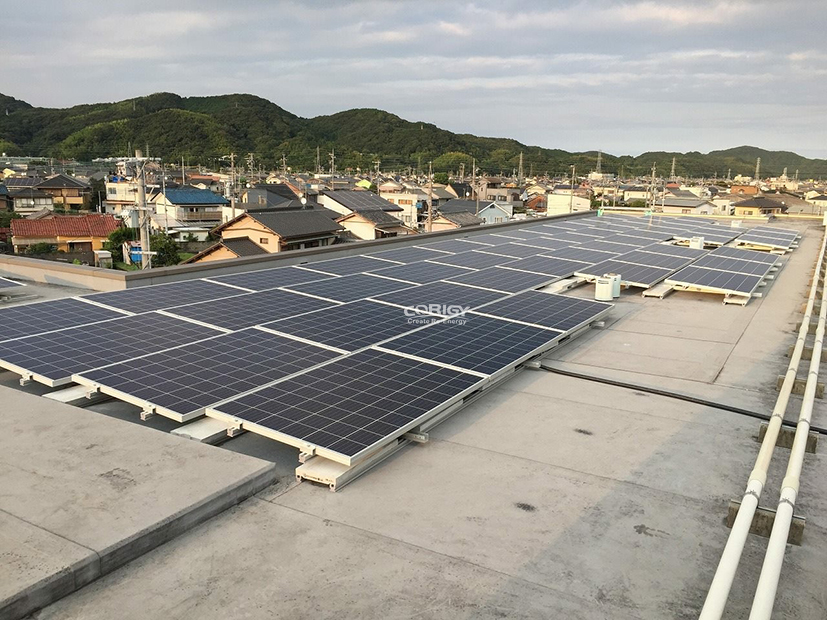
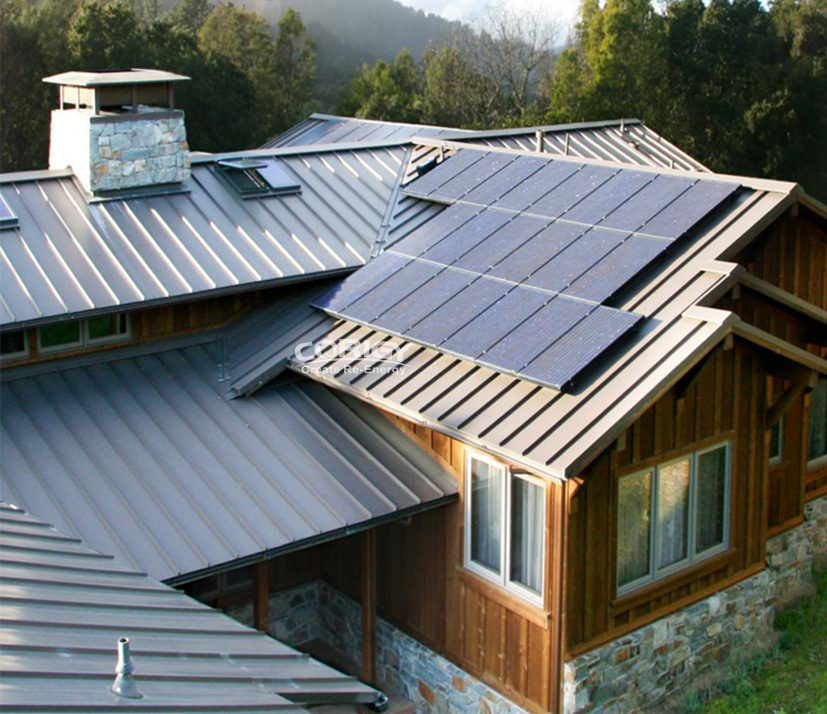
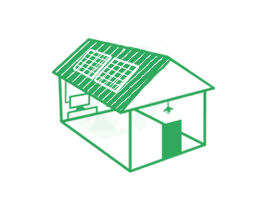
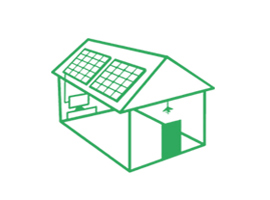
Read MoreWith the increasing global attention to renewable energy, solar power generation, as a clean and environmentally friendly form of energy, is increasingly favored by the public. Among the many scenarios where solar panels can be installed, roofs have become an important choice. For example, in developed countries such as Germany and the United States, due to the long-term high electricity prices, residents and businesses have turned their attention to rooftop photovoltaic solutions in order to avoid high electricity bills and pursue energy independence. Many countries' subsidy programs have also promoted the development of rooftop photovoltaic systems. In addition, with the advancement of solar panel manufacturing technology and the significant decrease in the cost of photovoltaic modules in the past few years, the installation of roof solar brackets has attracted more and more households and businesses. So, facing such an attractive new energy system, we may ask: Is my roof suitable for solar panels? To determine whether a roof is suitable for installing a solar panel roof structure, the following five aspects can be considered: 1. Orientation: Roofs in the northern hemisphere are best facing due south, and it is also good to be within 15 degrees south by east/west; Southeast/Southwest is second, while facing north is not suitable; In the southern hemisphere (such as Australia and South Africa), the situation is completely opposite to that in the northern hemisphere, and the optimal roof orientation is "due north". 2. Angle: The optimal power generation angle at the top of the roof slope is roughly close to the local latitude. If it is a flat roof, suitable flat roof mounting system for solar panels can be used to adjust the inclination angle. 3. Shade: There should be no obstruction from tall buildings, trees or other objects in the surrounding area, especially when the solar altitude angle is low in winter, the impact of obstruction on power generation will be greater. 4. Load bearing: The roof structure must have sufficient load-bearing capacity, especially for old houses, which require professional evaluation. 5. Roof condition: The design lifespan of solar energy systems is typically up to 25 years. If your roof is relatively old and about to reach its service life, or if there is a risk of water leakage, it is recommended to renovate the roof before installing solar panels, to avoid additional high costs of dismantling and assembling the panels later on. CORIGY has dozens of installation solutions for rooftop photovoltaic systems such as iron sheet roof mounting system, asphalt roof mounting system, flat roof mounting system, and tile roof mounting system. Our experience in roof systems will provide you with the best service Contact CORIGY to learn more about which of our solar mounting system would best suit a roof project. CORIGY SOLAR more professional and flexible solar mounting solutions waiting for you here! CONTACT US! Above news fro...
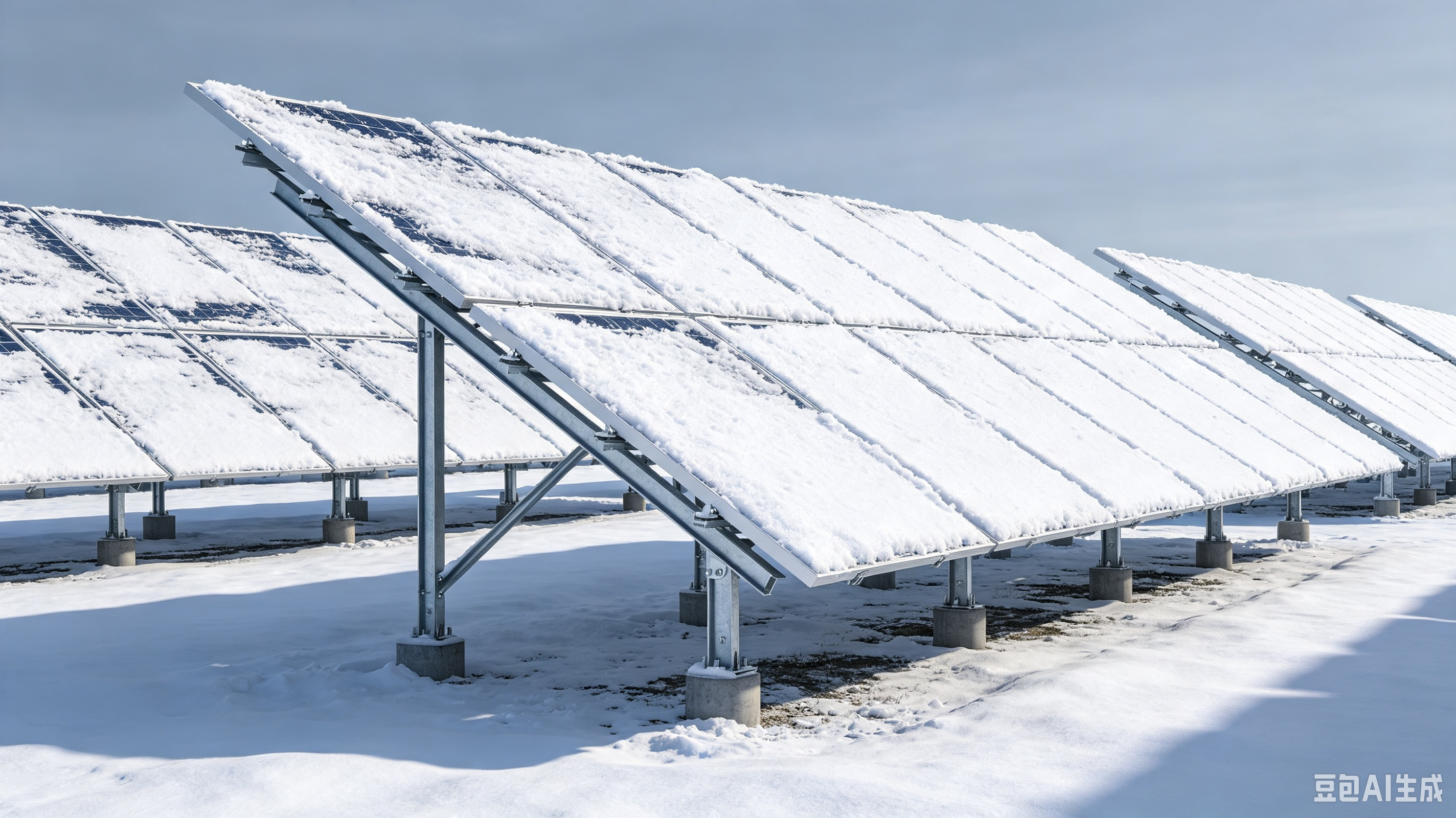
Read MoreSnow load is the governing load for photovoltaic power stations located in frigid zones, high-altitude regions and northern areas in winter. Compared with wind load, snow load exerts more destructive impacts on supports. Unlike wind load which acts instantaneously, snow load is a long-term static load that bears on solar ground mount system and modules for days or even months. It causes multi-dimensional damages to structures, joint connections, foundations and overall anti-overturning performance, thereby triggering malfunctions such as structural deformation, collapse and module breakage. Combined with various solar mountings scenarios including flat ground, sloped terrain and flat rooftops, the specific impacts are elaborated as follows: I. Uniform Snow Cover: Causing Overall Plastic Deformation and Fatigue Damage of Supports Large-area evenly distributed snow imposes sustained and uniform vertical pressure on photovoltaic arrays, representing the most fundamental and prevalent form of snow load action. Deflection Deformation of Main and Secondary Beams When support crossbeams and guide rails bear snow weight over a long period, permanent downward bending that cannot restore the original flat state will occur if the section size of profiles is too small, wall thickness is insufficient or span length is excessive. Deformation leads to uneven stress on modules, making the glass prone to micro cracks. Meanwhile, the original inclination angle of photovoltaic panels is altered, weakening drainage and snow removal capacity and creating a vicious cycle of snow accumulation. Accumulated Structural Fatigue Alternating loads from repeated snow accumulation and snowmelt in winter keep support profiles under persistent tension and compression, resulting in fatigue damage. After long-term operation, the overall rigidity of supports declines and stability deteriorates continuously, with structural loss far greater than that in snow-free regions with mild temperatures. Verticality Deviation of Supports Sustained compressive force on vertical columns triggers slight tilting and settlement, disrupting the overall flatness of arrays. This indirectly impairs subsequent wind and seismic resistance and reduces the overall stability of the power station. II. Uneven Snow Cover Inducing Eccentric Stress and Torsion-Shear Structural Failure This constitutes the primary inducement of damage for mountain-slope supports, steep-inclination supports and rear-row supports shaded by obstructions, as well as the core cause of snow-load collapse accidents. Uneven snow distribution driven by gravity, wind direction and shading generates eccentric loads and breaks the stress balance of supports. Unilateral Eccentric Compression Shading from buildings or trees and inconsistent panel inclination lead to thick snow on one side of a single row of supports and bare surfaces on the other side, generating massive eccentric bending moments. Support crossbeams and vertical columns endur...
Read MoreAgainst the backdrop of global energy structure transformation, rooftop photovoltaic systems have become a popular choice for households and businesses due to their environmental and economic advantages. However, many homeowners and building managers often have a concern during the initial assessment phase: Will installing solar panels damage my roof? Will it increase the burden on the roof and even affect the safety of the house? These concerns are actually reasonable, as the roof is the most critical component in protecting the building. Improper installation could lead to severe consequences. Therefore, before deciding whether to install solar energy, understanding the relevant details and precautions can help make a suitable choice. Firstly, we need to know several common reasons for roof damage: ① Unprofessional installation Unprofessional drilling can lead to water leakage, uneven load-bearing of installed brackets, or cables pressing on weak materials on the roof, all of which can directly damage the building. ② Insufficient roof load-bearing capacity The weight of the photovoltaic system is 30-50 kilograms per square meter. Long term installation of photovoltaic systems on roofs with insufficient load-bearing capacity may cause roof deformation. ③ Improper waterproof treatment Insufficient waterproof protection during necessary perforation of the roof. ④ Lack of maintenance and natural aging The erosion of sunlight and rainwater can indirectly highlight the rusting of brackets and damage to sealants, thereby endangering the safety of the roof. There is no need to worry excessively about the above situation. When the roof bearing capacity is appropriate, adopting the correct waterproof treatment or choosing a design that does not penetrate the waterproof layer during installation can effectively reduce the risk of leakage. Here are several factors should be paid attention: ① Installation of sloping roof: Sloping roofs are commonly used in residential buildings, and when installing solar systems, brackets or fixtures are typically used to secure the panels along the plane of the roof. Attention: Improper drilling and sealing during installation may result in rainwater infiltration. In addition, the long-term pressure of solar system can have an impact on load-bearing components, especially in old structures. ② Flat roof installation: Traditionally, flat roofs are common in commercial buildings. The installation of photovoltaic systems generally adopts a ballast installation system (using heavy blocks, such as cement blocks), which can avoid penetrating the roof. Attention:The ballast block may compress the waterproof membrane. Improper installation may also puncture the installed waterproof layer. ③ Metal roof: Photovoltaic brackets can choose fixture systems as much as possible to avoid drilling holes; Apply double-layer sealant to the drilled area. Attention: Tight fixtures can cause metal plates to bend and even damage the anti-corrosion...
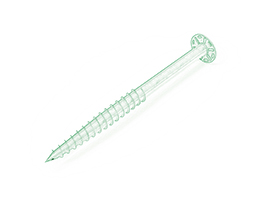
Read MoreFor island and coastal PV projects, wind load is only part of the challenge. Last month, we received an inquiry from an Indonesian customer for a ground-mounted carbon steel solar mounting system. During the project evaluation, we found that the site was located in an island area, very close to the coastline, with relatively low terrain. For projects like this, many teams usually focus first on one key factor: “What is the design wind speed?” However, for coastal solar projects, there are several other critical factors that directly affect the long-term reliability of the mounting structure. Here are some key points we always evaluate: 1. Wind Load Conditions Coastal and island areas are often exposed to stronger wind conditions due to: · Open terrain; · Seasonal monsoon; · Typhoon risks; · Limited surrounding protection. Therefore, during the design stage, it is important to confirm: a. Local design wind speed; b. Applicable design standard (ASCE, Eurocode, or local codes); c. Terrain category and site exposure conditions. 2. Corrosion Risk from High Humidity and Salt Mist Coastal environments usually involve: ·High humidity; ·Strong salt spray; ·Accelerated corrosion conditions. In many coastal areas, the environmental corrosion category can reach C4-C5, and even C5-M (marine environment). For these conditions: 1) Carbon steel structures are usually recommended with hot-dip galvanizing ≥80μm. For projects requiring higher durability, or where the budget allows, 100μm+ galvanizing thickness can provide additional protection. Another advanced option is: 2) S350GD steel with ZAM450 (Zinc-Aluminum-Magnesium coating), which offers excellent corrosion resistance for challenging environments. 3. Important Details That Are Often Overlooked Besides wind load and corrosion protection, several site conditions should also be carefully reviewed: a. How far is the project site from the coastline? b. What is the site elevation above sea level? c. Has the area experienced tidal flooding, seawater intrusion, or seasonal water accumulation? d. Is the project located on reclaimed land, coral sand, or low-lying coastal terrain? e. Is there a geotechnical investigation report available? f. Has the project owner or utility company provided the final layout and ground elevation information? g. What type of foundation will be used — concrete foundation or ground screws? One more important reminder: If concrete foundations are used, salt-contaminated sea sand should never be used, as it may accelerate reinforcement corrosion and affect the long-term durability of the foundation. A reliable solar mounting system is not only about structural strength. It is about understanding the project environment, selecting the right materials, and paying attention to every engineering detail. At Corigy Solar, we have been dedicated to solar mounting systems for more than 10 years. Whether it is a MW-scale ground-mounted project or a large commercial PV application, we believe: Engin...
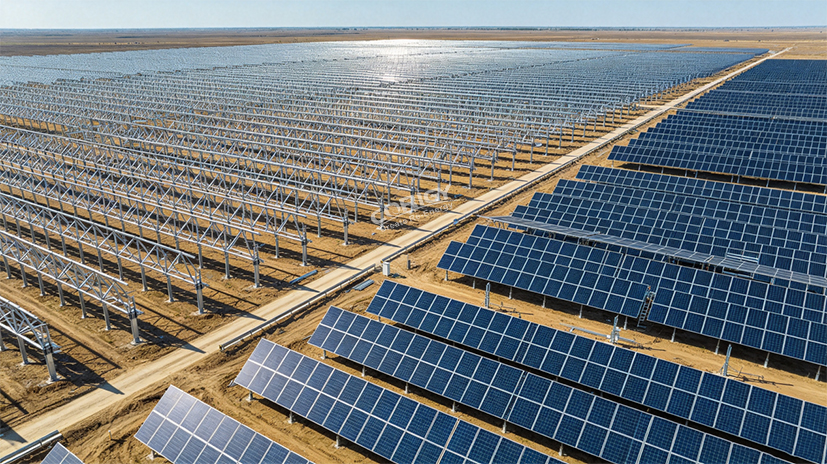
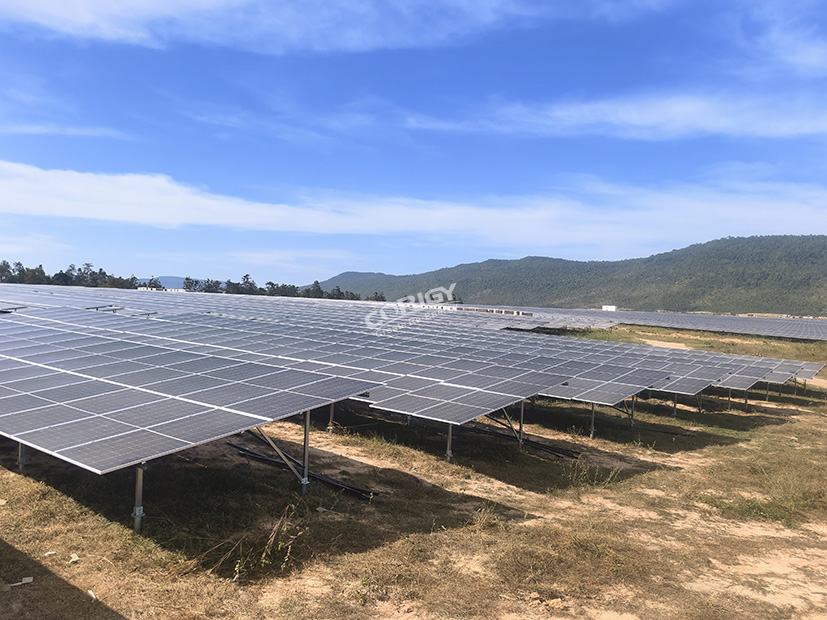
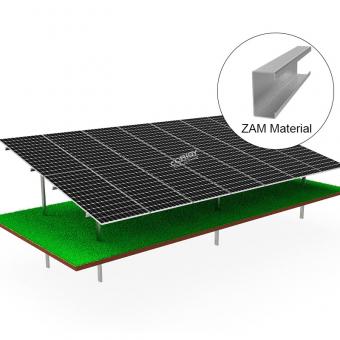
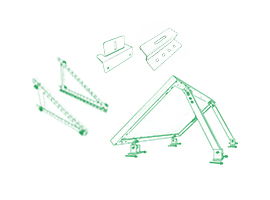
Read MoreCorigy Solar Ground Mounting Racking System Structure is widely applied for landfll, open space or sloping terrain, etc, Diferent kinds of material can be offered for any needs, such as galvanized steel, anodized aluminum and ZAM materials.
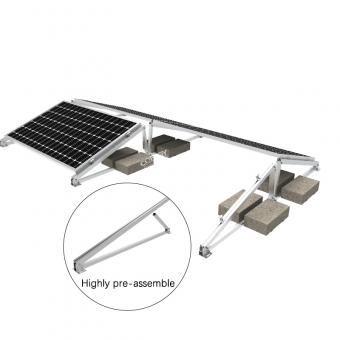
Flat roof solar mounting systems offer robust support and easy installation for solar panels on flat roofs. These systems ensure maximum energy capture, durability, and cost-efficiency, making them ideal for residential and commercial properties. Corigy flat roof solar panel mounting system, such as ballast mount, east-west ballast mount, etc. Contact us to learn more!
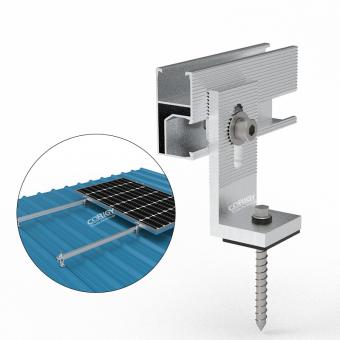
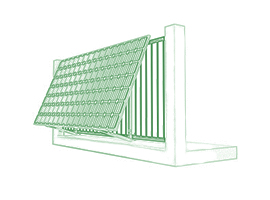
Install solar panel on the metal roof by standing seam, klip-lok, L foot or other clamps.
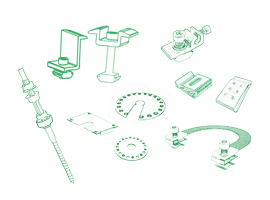
Solar mounting accessories such as end/mid clamp, cable clip, grounding items, etc.

CORIGY SOLAR, 15 years experience of research, manufacture and sale of solar energy system. We are always trying to provide the best support for you, including fast response, cost, QC, design, distributor support.
Phone
0086-592-6883200Location
No.893,Haicang Avenue,Haicang District,Xiamen City,China.

 IPv6 network supported
 English
 español
 한국의
한국의