Due to the high salt spray corrosion, strong wind loads, and high humidity of coastal environments, the requirements for solar mounting system differ significantly from those in inland areas. Therefore, the following aspects should be considered when selecting solar mounting:
1. Choosing the Suitable Material:
* Stainless Steel (e.g., 304, 316): Extremely corrosion resistant, especially 316 stainless steel, suitable for the high-salt environment of the seaside, but extremely expensive.
* Aluminum: Lightweight, corrosion resistant (with a natural oxide film protection), and easy to install. Its strength is relatively lower than steel, suitable for rooftop projects in coastal areas; ground-mounted designs need to be reinforced to withstand wind loads.
* Hot-dip Galvanized Steel: Common solution and moderately priced, the hot-dip galvanized layer provides corrosion protection for a certain period. For coastal areas, a thickness of ≥85 μm of the hot-dip galvanized is recommended.
* ZAM Coated Steel: Affordable price; compared to hot-dip galvanized steel, ZAM steel offers 2-3 times longer salt spray resistance, making it particularly suitable for the high humidity and high salt environment of the seaside.
2. Choose a suitable structural design solution
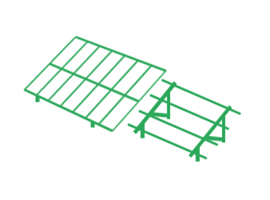
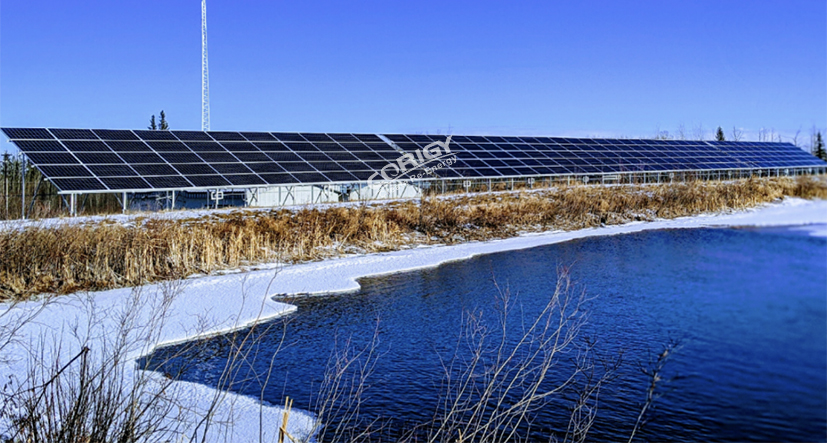
* Fixed solar ground solutions: The design should focus on multiple diagonal braces, large columns, and strong nodes. In typhoon areas, the supports should be designed according to wind pressure, and reinforcement rods or thicker profiles should be added if necessary.
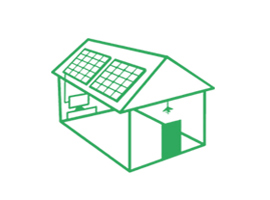
* Roof solar supports: Considering the limited load-bearing capacity of the roof, especially old or lightweight roofs (such as tin roofs with corrugated steel sheets), the solar mounting solution primarily use aluminum structure and should pay attention to structural safety.
* Tracking solar solutions: PV tracking systems have poor wind resistance, posing a high risk when used in high-wind-speed coastal areas, and incurring high costs and maintenance expenses.
3. Pay attention to construction and maintenance.
*Construction requirements: Welded parts should be properly treated for corrosion protection. Bolts are best made of stainless steel or galvanized with anti-loosening measures.
*Regular maintenance: In coastal areas, it is recommended to check the bolts and anti-corrosion coating of the supports every 6-12 months and promptly treat any rust or peeling.
The key to choosing solar mounting systems in coastal areas is: corrosion-resistant materials + wind-resistant structure + regular maintenance. CORIGY is a professional solar mounting solution provider, offering the most cost-effective coastal solar support design solutions tailored to the environment. Products include solar ground-fixed structures, roof solar solutions, carport solar mounts, and other solar mounting products, with extensive experience in coastal PV support projects.
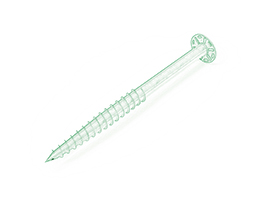
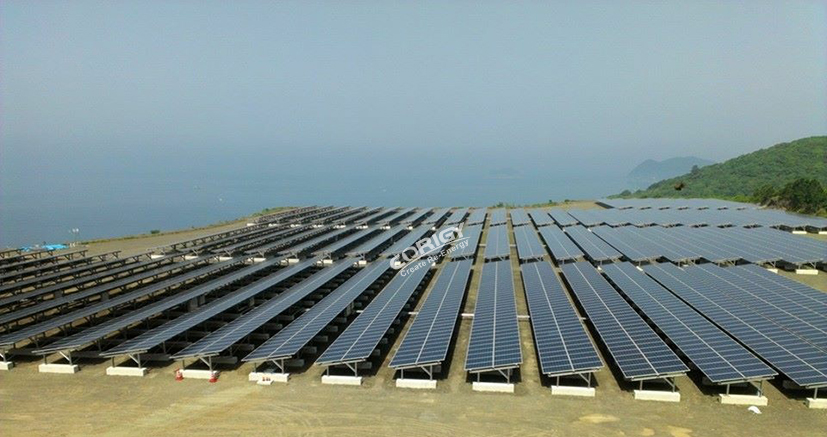
Corigy Solar Ground Mounting Racking System Structure is widely applied for landfll, open space or sloping terrain, etc, Diferent kinds of material can be offered for any needs, such as galvanized steel, anodized aluminum and ZAM materials.
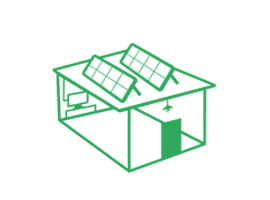
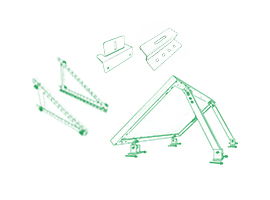
Flat roof solar mounting systems offer robust support and easy installation for solar panels on flat roofs. These systems ensure maximum energy capture, durability, and cost-efficiency, making them ideal for residential and commercial properties. Corigy flat roof solar panel mounting system, such as ballast mount, east-west ballast mount, etc. Contact us to learn more!
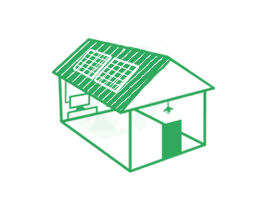
Install solar panel on the metal roof by standing seam, klip-lok, L foot or other clamps.
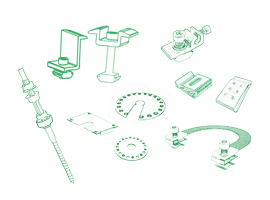
Solar mounting accessories such as end/mid clamp, cable clip, grounding items, etc.

CORIGY SOLAR, 15 years experience of research, manufacture and sale of solar energy system. We are always trying to provide the best support for you, including fast response, cost, QC, design, distributor support.
Phone
0086-592-6883200Location
No.893,Haicang Avenue,Haicang District,Xiamen City,China.

 IPv6 network supported
 English
 español
 한국의
한국의